Showing posts with label treatment. Show all posts

Monday, August 28, 2017

Sciatica treatment mri scan


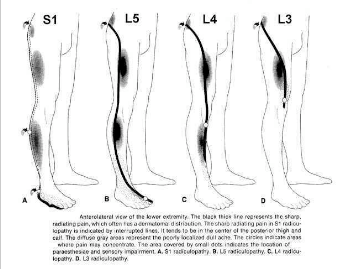
Sciatica treatment mri scan will be certainly one of this inside of the at present Can certainly belonging to the listing google and yahoo To be able to supply useful info to people we certainly have sampled to search out a best meaning illustrations or photos all over Sciatica treatment mri scan In addition to in this article you'll view at this point, those pics have already been undertaken from contributing power source.

Sciatica+Mri sciatica mri image In broad terms, nerve root pressure, (i.e., leg pain), is best treated MRI Scan Lumbar Spine Chiropractor will decide whether you need an x-ray or MRI scan Important Considerations for an MRI Scan  diagnosis of sciatica and to identify the nerve that is compressed

These people are for sale to obtain, if you prefer not to mention aspire to carry it just click rescue logo relating to the document, and even it’ll end up easily purchased on your laptop. As a final point if you need to achieve brand-new and additionally best and newest artwork connected to Sciatica treatment mri scan , i highly recommend you observe united states for bing and also and also take note of this web site, people try out some of our perfect you can sell organic on a daily basis redesign using many new along with fresh new written content. Can be you enjoy your web page.

Sciatica treatment mri scan - it has recently been published while using the expectation that we could motivate beneficial to an individual. The next few paragraphs might offer for a a blueprint when you are confused to choose the right guide This Sciatica treatment mri scan discussions may perhaps be your foremost method to remain utilized on their work schedule, as it has its own plan will feel more satisfied Sciatica treatment mri scan - Handy available for you therefore we are trying to find a reliable form which inturn will help uou come across creativity with no dilemma. do remember for you to book mark this page, given that could be someday you may need it all to come back for the reason that a inspirational creative ideas.


Friday, August 25, 2017

Cool Herbal treatment for sciatic nerve


Within this post we will assist you to have a valuable reference point based on analysis for ongoing article content Herbal treatment for sciatic nerve likelihood controversy since many clientele precisely what man or woman wants all this. around a blueprint Acquiring most people apply various google here are a few illustrations or photos that are relevant to Herbal treatment for sciatic nerve .

f474dc7a18639da12d7554aaf2211634.jpg Sciatica: Top Treated Condition Wildwood Acupuncture Center  Of The Leg on Pinterest Nerves in leg, Muscle and nerve and Leg pain Best 6 Home Remedies for Sciatica - Natural Treatments & Cure For Piriformis Syndrome is categorized under neuromuscular problems which 1000+ ideas about Nerve Damage Treatment on Pinterest Sciatic Nerve

Pictured earlier you can actually save not to mention protect the software throughout the laptop computer hard disc drive ın order that any time you require it are generally precisely contacted comfortably. Herbal treatment for sciatic nerve may be the crucial for you personally what individuals wants to pertaining articles. So you went on that labor to get the details meant for as well as some of our prospects. Lesemarke some of our web-site the fact that will allow you to search for a great deal more articles or reviews associated with the actual key phrases

Herbal treatment for sciatic nerve - to support grow the eye one's targeted traffic will be excited to help with making these pages. boosting the caliber of the content might you put on in the future that allows you to quite figure out right after looking over this submit. As a final point, it is far from one or two thoughts that need to be meant to tell people. however because of the restrictions associated with vocabulary, you can easliy mainly gift any Herbal treatment for sciatic nerve argument all the way up in this case


Wednesday, August 23, 2017

All You Need To Know About Opioids And Pain Treatment


Today's important post from ncbi.nlm.nih.gov (see link below) will be of interest to all neuropathy patients who's lives have been so disrupted by the disease and the pain that it brings, that they have had no alternative but to use opioids to quell the symptoms. We go to the doctors and 99% of us dread hearing that opioids are the only remaining option but we have to do it in order to live reasonable daily lives. However, the explanation generally ends there. We know they're the strongest analgesics and we're well aware of the dangers of addiction, let alone the potential side effects but if you're between a rock and a hard place, you accept the prescription in good faith! This comprehensive article tells us all we need to know about these drugs and for that reason it can remove much of the anxiety associated with opioids. More than that, it provides the knowledge we need to justify to ourselves and others that although it may not be the solution of choice, it can be a very effective one. We also sign an invisible contract with the doctor to make sure that we are monitored and controlled throughout our use and any potential dangers are dealt with when they begin and not when they've taken hold. Definitely worth a read then for anyone in this situation - it's amazing how much better you feel when you have knowledge in your armory.

Opioids and the Treatment of Chronic Pain: Controversies, Current Status, and Future Directions
Andrew Rosenblum,1,* Lisa A. Marsch,1 Herman Joseph,1 and Russell K. Portenoy2
Author information ► Copyright and License information ►
The publisher's final edited version of this article is available at Exp Clin Psychopharmacol
See other articles in PMC that cite the published article.

Go to:


Abstract

Opioids have been regarded for millennia as among the most effective drugs for the treatment of pain. Their use in the management of acute severe pain and chronic pain related to advanced medical illness is considered the standard of care in most of the world. In contrast, the long-term administration of an opioid for the treatment of chronic non-cancer pain continues to be controversial. Concerns related to effectiveness, safety, and abuse liability have evolved over decades, sometimes driving a more restrictive perspective and sometimes leading to a greater willingness to endorse this treatment. The past several decades in the United States have been characterized by attitudes that have shifted repeatedly in response to clinical and epidemiological observations, and events in the legal and regulatory communities. The interface between the legitimate medical use of opioids to provide analgesia and the phenomena associated with abuse and addiction continues to challenge the clinical community, leading to uncertainly about the appropriate role of these drugs in the treatment of pain. This narrative review briefly describes the neurobiology of opioids and then focuses on the complex issues at this interface between analgesia and abuse, including terminology, clinical challenges, and the potential for new agents, such as buprenorphine, to influence practice.
Go to:


Introduction

Opioids play a unique role in society. They are widely feared compounds, which are associated with abuse, addiction and the dire consequences of diversion; they are also essential medications, the most effective drugs for the relief of pain and suffering (Portenoy et al, 2004). Historically, concerns about addiction have apparently contributed to the undertreatment of disorders widely considered to be appropriate for opioid therapy, including cancer pain, pain at the end-of-life, and acute pain (Field and Cassel, 1997; Schnoll & Weaver, 2003; Portenoy & Lesage, 1999; Breitbart et al. 1998; Smith et al., 2008). The use of opioids for chronic non-malignant pain (CNMP) remains controversial (Manchikanti, 2008; McQuay, 1999). Following publication of reports on the safety and efficacy of opioids prescribed to small numbers of patients with CNMP (e.g., Portenoy and Foley, 1986; Nyswander and Dole, 1986) and the publication of a seminal article entitled “The Tragedy of Needless Pain”, (Melzack, 1990), the use of opioids to treat CNMP began to be more widely practiced and incorporated into clinical guidelines. Nevertheless, despite the advances in pain medicine and the wider use of opioids for various chronic pain conditions, there is still considerable controversy surrounding the type of conditions that should be treated, whether the treatment can be generally safe and effective in selected patients, and what the clinical goals should be (Ballantyne & Forge, 2007; Streltzer & Johansen, 2006; Stretzler & Kosten 2003).
Go to:


History of Opioids

The Sumerians in Mesopotamia were among the first people identified to have cultivated the poppy plant around 3400 BC. They named it Hul Gil, the “joy plant” (Booth, 1986). It eventually spread throughout the ancient world to every major civilization in Europe and Asia and was used to treat pain and many other ailments (Schiff, 2002; Askitopoulou, Ramoutsaki, & Konsolaki, 2002; Booth, 1986; Dikotter, Laaman, & Xun, 2004).


Developments in the 19th century transformed the practice of medicine and initiated the tension between the desire to make available the medicinal benefits of these drugs and recognition that the development of abuse and addiction can lead to devastating consequences for individuals and for society at large (Booth, 1986; Musto, 1999):
In 1803 morphine, an opioid analgesic, was extracted from opium by Friedrich Serturner of Germany;
Dr. Charles Wood, a Scottish physician, invented the hyperdermic needle and used it to inject morphine to relieve pain from neuralgia;
Dr. Eduard Livenstein, a German physician, produced the first accurate and comprehensive description of addiction to morphine, including the withdrawal syndrome and relapse, and argued that craving for morphine was a physiological response.
Diacetylmorphine (brand name heroin) was synthesized and briefly promoted as more effective and less addictive than morphine. In the early 20th century, when heroin was legally marketed in pill form, it was used by young Americans to elicit intense euphoria by crushing the heroin pills into powder for inhalation or injection (Katz et al., 2007, c.f. Meldrum, 2003; Hosztafi, 2001).

Beginning in the twentieth century, there were many research advances and major changes in the way opioids were used for the treatment of pain and addiction (Ballantyne, 2006; Corbett et al., 2006). These included attempts among several nations and international organizations to control the distribution and use of opioids (Musto, 1999); the introduction of opioid maintenance therapy for the treatment of opioid addiction (first with morphine and later with methadone, LAAM (levo-alpha acetyl methadol) and sublingual buprenorphine) (Courtwright, Joseph & Des Jarlais, 1989; Strain & Stitzer, 2006); the discovery of the endogenous opioids (Hughes, Smith, Kosterlitz, Fothergill, Morgan & Morris, 1975); and the recognition that pain is a debilitating and destructive disease and that opioids are essential for the treatment of many forms of acute and chronic pain.

During most of the twentieth century, the widely held perception among professionals in the United States was that the long-term use of opioid therapy to treat chronic pain was contraindicated by the risk of addiction, increased disability and lack of efficacy over time. During the 1990’s, a major change occurred, driven by a variety of medical and nonmedical factors (see below). The use of opioids for chronic pain began to increase, showing a substantial year-to-year rise that continues today. This increased use of opioids for legitimate medical purposes has been accompanied by a substantial increase in the prevalence of nonmedical use of prescription opioids (Zacny, et al., 2003). The National Survey on Drug Use and Health reported that the number of first time abusers of prescription opioids increased from 628,000 in 1990 to 2.4 million in 2004, that emergency room visits involving prescription opioid abuse increased by 45% from 2000 to 2002, and that treatment admissions for primary abuse of prescription opioids increased by 186% between 1997 and 2002 (SAMHSA, 2004a, 2004b). Opioid abuse indices rose most for two frequently prescribed opioids, hydrocodone and controlled-release (CR) oxycodone (Cicero, Inciardi, Munoz, 2005). Although the increase in prescription drug abuse is likely to be multifactorial, it is likely to reflect, in part, changes in available drug formulations and prescribing practices of opioid medication (Compton and Volkow, 2006). This link between increased medical use and increased abuse has driven some of the re-examination of the medical role of these drugs. The challenge, of course, is to reduce the likelihood of opioid misuse while not imposing barriers on the legitimate use of opioid medications, acknowledging both that increased abuse is probably inevitable when a psychoactive drug becomes more accessible and that attempts to control abuse can have the unintentional effects of discouraging treatment and placing severe restrictions on the medical profession.
Go to:


Brief Overview of Opioids: Neurobiology and Mechanism of Action

The term opioid refers to all compounds that bind to opiate receptors. Conventionally, the term opiate can be used to describe those opioids that are alkaloids, derived from the opium poppy; these include morphine and codeine. Opioids include semi-synthetic opiates, i.e., drugs that are synthesized from naturally occurring opiates (such as heroin from morphine and oxycodone from thebaine), as well as synthetic opioids such as methadone, fentanyl, and propoxyphene. The term narcotic is a legal designation and should not be used in the clinical setting; it refers to opioids and a few other drugs that are grouped with the opioids by law enforcement.

In the United States, numerous opioids have been commercialized for oral, transdermal and intravenous administration. Oral and transdermal formulations are usually administered for pain in the ambulatory setting. These include combination products, such as those containing hydrocodone and acetaminophen (Vicodin®, Lorset®) or ibuprofen (Vicoprofen®), tramadol and acetaminophen (Ultracet®), oxycodone and acetaminophen or aspirin (Percocet® or Percodan®), and those containing codeine and acetaminophen or aspirin. The single entity formulations on the market include those containing morphine (Avinza®, Kadian®, MS Contin®, MSIR®), oxycodone (OxyContin®), fentanyl (Duragesic®, Actiq®, Fentora®), hydromorphone (Dilaudid®), oxymorphone (Opana®), and methadone.

Opioids act by binding to specific proteins, called opioid receptors. Receptors are widely distributed. Those involved in pain modulation are situated in both the central nervous system and the peripheral nervous system. These receptors also bind endogenous opioid peptides (endorphins), which are involved in pain modulation and numerous other functions in the body. Among these functions are those mediated by deep structures of the brain, which are involved in the modulation of reinforcement and reward mechanisms, mood and stress. Opioid receptors are also found on cells from the immune system (Bidlack, 2000). In studies with rats, activation of these receptors with morphine is associated with varied effects, including sensitization of afferent nerves to noxious stimuli (Raghavendra, Rutkowski, & DeLeo, 2002).

When an opioid given for pain binds to receptors, analgesia may be accompanied by any of a diverse array of side effects related to the activation of receptors involved in other functions. These may include effects mediated by peripheral or by peripheral and central mechanisms, such as reduced peristalsis (leading to constipation) and itch, or primary central nervous system effects, such as miosis, (pupillary constriction) somnolence, mental clouding, and respiratory depression (Jaffe & Jaffe, 2004; Jaffe & Martin, 1990). Central mechanisms also lead to changes associated with hyperalgesia and decreased responsiveness to opioids (tolerance) and it has been speculated that opioid-induced hyperalgesia may be a clinically-relevant phenomenon leading to increased pain in some situations (Deleo, Tanga, & Tawfik, 2004). Activation of other central nervous system pathways by opioids also may produce mood effects, either dysphoria or euphoria.

Presumably, binding to those receptors involved in reinforcement and reward also occurs whenever an opioid is taken. In most individuals, when opioids are taken to treat pain, there appears to be no overt effect from change in these systems. In some cases, however, powerful reinforcement occurs, expressed as efforts to repeat the administration and these reinforcing outcomes may be associated with craving and with positive mood effects such as euphorigenic or pleasurable effects (Di Chiara, 2002; Koob & Bloom, 1988). These outcomes, which are uncommon but potentially serious when they occur (driving the development of an addictive pattern of use), can occur in the presence or absence of pain. Although these effects could be associated with iatrogenic addiction, they appear to be rare in patients who do not have risk factors suggesting the existence of the biological substrate for opioid-induced craving (see below).

Although several types of opioid receptors exist (e.g., mu, kappa and delta), opioid drugs largely produce their analgesic and reinforcing effects via activation of the mu opioid receptor; thus, opioids used for pain are often described as, “mu agonists”. Mu drugs that have the ability to fully activate opioid receptors (e.g., higher doses produce greater receptor activation in a dose-dependent manner) are referred to as opioid agonists or full mu agonists (such as morphine, oxycodone and methadone). Those opioids that occupy, but do not activate, receptors are referred to as opioid antagonists (e.g., naltrexone, naloxone); they can reverse the effects of mu opioid agonists. Those opioids that either have a low intrinsic activity at the mu receptor, or are agonists at another receptor and antagonists at the mu receptor are called agonist-antagonist drugs. Those with a low intrinsic activity are called partial opioid agonists and are characterized by a ceiling on most agonist activity, such that increases in dose will increase the drug’s physiological and subjective effects only to a certain level and further dose increases produce no additional effects (Jaffe & Martin, 1990).

These differences in mu receptor interactions are clearly related to the clinical use of opioid drugs and their abuse liability. Agonist-antagonist drugs are less attractive than pure mu agonists to individuals with addiction and no pain. Although other biochemical and molecular processes are presumably relevant to variation in these effects, relatively little is known about the interactions among these processes in humans.

The clinical use of opioid drugs is influenced by a variety of other characteristics, including pharmacokinetics. With the notable exception of methadone and buprenorphine, most opioids have relatively short half-lives and this has necessitated the development of new delivery systems designed to provide prolonged effects and a longer dosing interval.

Clinically-relevant physical dependence and tolerance (see below) may occur with short-term or long-term use of an opioid compound, particularly a pure mu agonist. These phenomena, which vary greatly in the clinical setting, represent neuroadaptational processes. The neurophysiology of physical dependence and tolerance are closely related to each other and to the phenomenon of opioid-induced hyperalgesia (Mao, 2002). The possibility that opioid administration, particularly at relatively high doses, may lead to increased pain has contributed to the controversy about opioid therapy for non-cancer pain, notwithstanding the limited evidence that this phenomenon occurs in clinical settings.
Go to:


Brief Overview of Chronic Pain

Chronic pain has been described as pain that has persisted for at least 1 month following the usual healing time of an acute injury, pain that occurs in association with a nonhealing lesion, or pain that recurs frequently over a period of months. In most clinical and research reports, chronic pain is typically defined as pain that has persisted for at least 3 months (Verhaak, Kerssens, Dekker, Sorbi, & Sensing, 1998).

The prevalence of chronic pain in the general population is believed to be quite high, although published reports have varied greatly. Cautious cross-national estimates of chronic pain range from 10% (Verhaak et al., 1998) to close to 20% (Gureje, Simon, & Von Korff, 2001), which would represent 30 to 60 million Americans. A national survey of 35,000 households in the US, conducted in 1998, estimated that the prevalence among adults of moderate to severe non-cancer chronic pain was 9% (American Pain Society, 1999). A large survey (N=18,980) of general populations across several European countries reported that the prevalence for chronic painful physical conditions was 17.1% (Ohayon & Schatzberg, 2003).

Chronic pain is a highly complex phenomenon, which may or may not be primarily driven by tissue injury. Conventionally, the most common forms of chronic pain are divided into those labeled “nociceptive”, or pain caused by ongoing stimulation of pain receptors by tissue damage, and those labeled “neuropathic”, or pain presumed to be related to damage to or dysfunction of the peripheral or central nervous system. These categories of pain simplify a complex reality in which both acute and chronic pain are induced by multiple peripheral and central mechanisms, which continually interact with each other and with numerous pain modulating systems. The perturbations that ultimately results in pain perception are caused by neurophysiological processes and other related systems. For example, recent evidence has begun to highlight the role of neuroimmune activation following a tissue injury as an important mechanism in the development of chronic pain (DeLeo, 2006). The role of cytokines and other inflammatory mediators is obvious in inflammatory nociceptive pains, such as some types of arthritis, but new data suggest an equally salient role in the development of chronic neuropathic pain associated with central sensitization of neural pathways following peripheral injury (Deleo, 2006).

All chronic pain is profoundly influenced by psychological processing and responses (Turk & Melzack, 2001). Pain severity and pain-related functional impairment are often found to be associated with psychological and social factors, and patients with identical diseases associated with pain, such as degenerative disk disease, may vary greatly in their reports of pain severity and pain behaviors (Aronoff, 1999). There is an extensive literature documenting the importance of operant conditioning factors (Fordyce, 1976) and cognitive-behavioral factors (Turk, Meichenbaum, & Genest, 1983) in the maintenance of chronic pain behaviors.

Chronic pain also is influenced by psychosocial and psychiatric disturbances, such as cultural influences, social support, comorbid mood disorder, and drug abuse (Gatchel, Peng, Peters, Fuchs & Turk, 2007). Classic studies of pain behavior indicate that cultural differences in the beliefs and attitudes towards pain (e.g., Zbrowski, 1969) and the social/environmental context of the pain (e.g., Beecher, 1959) have a significant impact on pain behaviors.

The contribution of psychological, social and psychiatric factors should not lead to the conclusion that a pain syndrome is primarily psychogenic. Pain related exclusively or primarily to psychological factors occurs, but is far less prevalent than pain associated with organic processes that are powerfully influenced by psychosocial mediators and psychiatric comorbidities (Portenoy, Payne, & Passik, 2004).

The “pattern of suffering” or the pain-related disability that often occurs in concert with persistent pain commonly touches on all domains of function. Patients with chronic pain may demonstrate pain-related interference with ability to perform usual activities at home, work, or school; maladaptive or dysfunctional behaviors, social isolation, and poor sleep patterns; and frequent health care utilization (Dworkin & Sherman, 2001). The recognition that acute pain can compromises health has led major medical associations and accreditation committees to designate pain severity as a “fifth vital sign”, along with blood pressure, temperature, heart rate, and respiration (Fishman, 2005). Further recognition of the increased interest in the assessment and management of pain is underscored by the U.S. Federal Law (Pain Relief Promotion Act of 2000) that declared the first decade of the 21st century as the Decade of Pain Control and Research (Gatchel et al., 2007).

Chronic pain is a major public health problem, which is associated with devastating consequences to patients and families, a high rate of health care utilization, and huge society costs related to lost work productivity. The existing treatments for chronic pain are unable to address the problem and better therapies are urgently needed. The need for these therapies is the backdrop for the expanding use of opioid drugs. An extensive clinical experience indicates that long-term opioid therapy is able to help selected patients have a better quality of life, less use of health care, and improved productivity. The medical community is no longer debating the reality of these outcomes, but rather, is now focused on a more fruitful debate about patient selection and the benefits and burdens of these drugs in varied subpopulations. Whether the frame of reference is the individual patient and family, or society-at-large, the issue is about balancing the potential benefits of these drugs in the large and diverse population with chronic pain with its potential risks.
Go to:


Terminology of Opioid Abuse: Dependence, Tolerance, Addiction

Concerns that addiction is a frequent iatrogenic consequence of the medical use of opioids may partially be attributed to confusion over terminology, as a well as failure to recognize that both addiction and chronic pain have a multifactorial etiology. In an effort to develop universal agreement on terminology related to addiction, the American Academy of Pain Medicine (AAPM), the American Pain Society (APS), and the American Society of Addiction Medicine (ASAM) approved a consensus document that clarified this terminology (ASAM, 2001; Savage, 2003).

According to the consensus document, tolerance is defined as a decreased subjective and objective effect of the same amount of opioids used over time, which concomitantly requires an increasing amount of the drug to achieve the same effect. Although tolerance to most of the side effects of opioids (e.g., respiratory depression, sedation, nausea) does appear to occur routinely, there is less evidence for clinically significant tolerance to opioids– analgesic effects (Collett, 1998; Portenoy et al., 2004). For example, there are numerous studies that have demonstrated stable opioid dosing for the treatment of chronic pain (e.g., Breitbart, et al., 1998; Portenoy et al., 2007) and methadone maintenance for the treatment of opioid dependence (addiction) for extended periods (Strain and Stitzer, 2006). However, despite the observation that tolerance to the analgesic effects of opioid drugs may be an uncommon primary cause of declining analgesic effects in the clinical setting, there are reports (based on experimental studies) that some patients will experience worsening of their pain in the face of dose escalation (Ballantyne, 2006). It has been speculated that some of these patients are not experiencing more pain because of changes related to nociception (e.g. progression of a tissue-injuring process), but rather, may be manifesting an increase in pain as a result of the opioid-induced neurophysiological changes associated with central sensitization of neurons that have been demonstrated in preclinical models and designated opioid-induced hyperalgesia (Mao, 2002; Angst & Clark, 2006). Analgesic tolerance and opioid-induced hyperalgesia are related phenomena, and just as the clinical impact of tolerance remains uncertain in most situations, the extent to which opioid-induced hyperalgesia is the cause of refractory or progressive pain remains to be more fully investigated. Physical dependence represents a characteristic set of signs and symptoms (opioid withdrawal) that occur with the abrupt cessation of an opioid (or rapid dose reduction and/or administration of an opioid antagonist). Physical dependence symptoms typically abate when an opioid is tapered under medical supervision. Unlike tolerance and physical dependence which appear to be predictable time-limited drug effects, addiction is a chronic disease that “represents an idiosyncratic adverse reaction in biologically and psychosocially vulnerable individuals” (ASAM, 2001).

The distinction between physical dependence and addiction is not always made clear in the pain literature (Ferrell, McCaffery, Rhiner, 1992). Most patients who are administered opioids for chronic pain behave differently from patients who abuse opioids and do not ever demonstrate behaviors consistent with craving, loss of control or compulsive use (e.g., Cowan et al., 2001). Of course, pain and addiction are not mutually exclusive and some patients who are treated for pain do develop severe behavioral disturbances indicative of a comorbid addictive disorder.

Some patients who are treated with opioids for pain display problematic behaviors that, on careful assessment, do not reflect addiction, but rather, appear to relate to a different process. This may be another psychiatric disorder associated with impulsive drug-taking, an unresolved family issue, a disorder of cognition, or criminal intention. In addition, there appear to be some patients who engage in problematic behaviors related specifically to desperation about unrelieved pain. The term pseudoaddiction was coined to describe the latter phenomenon (Weissman & Haddox, 1989).

Behaviors that may represent pseudoaddiction and behaviors that reflect addiction or some other serious psychopathology can occur simultaneously, and presumably, one type of phenomenon may incite the others. The diagnosis of these and other conditions may be challenging and requires a careful assessment of clinical phenomenology, specifically a range of drug-related behaviors during treatment with a potentially abusable drug (Portenoy, 1994, Lue, Passik, & Portenoy, 1998).

The term aberrant drug-related behaviors has been used to indicate the broad array of problematic nonadherence behaviors (Passik, Kirsh, Donaghy, & Portenoy, 2006), the nature of which is uncertain until a diagnosis can be developed based on astute clinical assessment. Some aberrant drug-related behavior strongly suggests the existence of addiction. These may include the use of alternative routes of administration of oral formulations (e.g., injection or sniffing), concurrent use of alcohol or illicit drugs, and repeated resistance to changes in therapy despite evidence of adverse effects; examples of aberrant behavior less suggestive of addiction are drug hoarding during periods of reduced symptoms, occasional unsanctioned dose escalation, and aggressive complaining about the need for more drugs (Portenoy, 1994).
Go to:


Distinction between Withdrawal and Chronic Pain

Because addiction is associated with psychological distress and physical discomfort in the form of opioid withdrawal symptoms, it may be difficult to distinguish primary chronic pain complaints from withdrawal pain. Withdrawal also may have the potential to increase baseline pain related to other processes. For example, based on anecdotal evidence from chronic pain patients, withdrawal from opioids can greatly increase pain in the original pain site. These phenomena suggest the need to carefully assess the potential for withdrawal during long-term opioid therapy (e.g, at the end of a dosing interval or during periods of medically-indicated dose reduction).

These phenomena notwithstanding, there also is evidence that experienced drug abusers are able to distinguish withdrawal pain from chronic pain. For example in studies of methadone maintenance patients, both the phenomenology and correlates of chronic pain were different than for withdrawal pain (Karasz et al., 2004; Rosenblum et al., 2003). Chronic pain is typically localized (e.g., back pain, headache) and persists (although with varying degrees of severity) for long periods of time (Gureje, Von Korff, Simon & Gater, 1998). Although certain subjective experiences of withdrawal (e.g., muscle ache) are similar to some distinct pain syndromes, other withdrawal experiences such as yawning, sweating and hot and cold flashes are likely to be more commonly associated with subjective drug withdrawal than with primary pain conditions. Moreover, the constellation of words used to describe withdrawal pain is likely to be different than words used to describe other painful disorders. Qualitative studies of addicts going through withdrawal typically refer to the experience as “being sick” (similar to a moderate to severe flu-like illness) and not as representing a distinct pain (Farrell, 1994). The subjective experience of withdrawal can be validly measured with an instrument such as the Subjective Opiate Withdrawal Scale (SOWS; Handelsman, et al., 1987). Withdrawal from short-acting opioids, such as heroin, is typically short-lived; physical symptoms are likely to reach their maximum intensity over a 36–72 hour period and to reduce in intensity after that (Farrell, 1994).
Go to:


Co-occuring Chronic Pain and Opioid Addiction

The prevalence of addictive disorders among chronic pain patients is difficult to determine (Covington and Kotz 2003). One 1992 literature review found only seven studies that utilized acceptable diagnostic criteria and reported that estimates of substance use disorders among chronic pain patients ranged from 3.2% – 18.9% (Fishbain, Rosomoff, & Rosomoff, 1992). A Swedish study of 414 chronic pain patients reported that 32.8% were diagnosed with a substance use disorder (Hoffmann, Olofsson, Salen, & Wickstrom, 1995). In two US studies, 43 to 45% of chronic pain patients reported aberrant drug-related behavior; the proportion with diagnosable substance use disorder is unknown (Katz et al., 2003; Passik et al., 2004). All these studies evaluated patients referred to pain clinics and may overstate the prevalence of substance abuse in the overall population with chronic pain.

A relatively high prevalence of substance abuse disorders among persons with chronic pain can also be inferred by the high co-occurrence of these two disorders. There have been several reports that the prevalence of chronic pain among persons with opioid and other substance use disorders is substantially higher than the pain prevalence found in the general population (Breitbart, et al., 1996; Brennan, Schutte, & Moos, 2005; Jamison, Kauffman, & Katz, 2000; Rosenblum et al., 2003; Sheu, et al., 2008).
Go to:


Opioid Treatment for Chronic Pain

Opioid therapy is the mainstay approach for the treatment of moderate to severe pain associated with cancer or other serious medical illnesses (Patt & Burton, 1998; World Health Organization, 1996). Although the use of opioid analgesics for the treatment of CNMP has been increasing in recent years (Joranson, Ryan, Gilson & Dahl, 2000) and has been endorsed by numerous professional societies (AAPM, APS, 1997; American Geriatric Society, 1998; Pain Society, 2004), the use of opioids remains controversial due to concerns about side effects, long-term efficacy, functional outcomes, and the potential for drug abuse and addiction. The latter concerns are especially evident in the treatment of CNMP patients with substance use histories (Savage, 2003).

Other concerns that may contribute to the hesitancy to prescribe opioids may be related to perceived and real risks associated with regulatory and legal scrutiny during the prescribing of controlled substances (Office of Quality Performance, 2003). These concerns have propelled extensive work to develop predictors of problematic behaviors or frank substance abuse or addiction during opioid therapy. Questionnaires to assist in this prediction and monitoring have been developed and used in research and field trials. Examples include the Prescription Drug Use Questionnaire (PDUQ; Compton et al., 1998); the Pain Assessment and Documentation Tool (PADT; Passik et al., 2004) and the Current Opioid Misuse Measure (COMM; Butler et al., 2007). These instruments are not used in practice settings at this time.

Narrative reports on the use of opioids for CNMP have underscored the effectiveness of opioid therapy for selected populations of patients and there continues to be a consensus among pain specialists that some patients with CNMP can benefit greatly from long-term therapy (Ballantyne & Mao, 2003; Trescot et al., 2006). This consensus, however, has received little support in the literature. Systematic reviews on the use of opioids for diverse CNMP disorders report only modest evidence for the efficacy of this treatment (Trescot et al., 2006; 2008). For example, a review of 15 double-blind, randomized placebo-controlled trials reported a mean decrease in pain intensity of approximately 30% and a drop-out rate of 56% only three of eight studies that assessed functional disturbance found improvement (Kalso, Edwards, Moore, & McQuay, 2004). A meta-analysis of 41 randomized trials involving 6,019 patients found reductions in pain severity and improvement in functional outcomes when opioids were compared with placebo (Furlan, Sandoval, Mailis-Gagnon, & Tunks, 2006). Among the 8 studies that compared opioids with non-opioid pain medication, the six studies that included so-called “weak” opioids (e.g., codeine, tramadol) did not demonstrate efficacy, while the two that included the so-called “strong” opioids (morphine, oxycodone) were associated with significant decreases in pain severity. The standardized mean difference (SMD) between opioid and comparison groups, although statistically significant, tended to be stronger when opioids were compared with placebo (SMD = 0.60) than when strong opioids where compared with non-opioid pain medications (SMD = 0.31). Other reviews have also found favorable evidence that opioid treatment for CNMP leads to reductions in pain severity, although evidence for increase in function is absent or less robust (Chou, Clark, & Helfand, 2003; Eisenberg, McNicol, & Carr, 2005). Little or no support for the efficacy of opioid treatment was reported in two systematic reviews of chronic back pain (Deshpande, Furlan, Mailis-Gagnon, Atlas, & Turk, 2007; Martell, et al., 2007). Because patients with a history of substance abuse typically are excluded from these studies, they provide no guidance whatsoever about the effectiveness of opioids in these populations.

Adding further to the controversy over the utility of opioid analgesics for CNMP is the absence of epidemiological evidence that an increase in the medical use of opioids has resulted in a lower prevalence of chronic pain. Noteworthy is a Danish study of a national random sample of 10,066 respondents (Eriksen, Sjøgren, Bruera, Ekholm, & Rasmussen, 2006). Denmark is known for having an extremely high national usage of opioids for CNMP and this use has increased by more than 600% during the past two decades (Eriksen, 2004). Among respondents reporting pain (1,906), 90% of opioid users reported moderate to very severe pain, compared with 46% of non-opioid users; opioid use was also associated with poor quality of life and functional disturbance (e.g., unemployment).

Although this epidemiological study may be interpreted as demonstrating that opioid treatment for CNMP has little benefit, the authors acknowledge that these disquieting findings do not indicate causality and could be influenced by the possibility of widespread undertreatment, leading to poorly managed pain. This latter interpretation is supported by a commentary on the Ericksen et al. study (Keane, 2007). Keane notes that among the 228 pain patients receiving opioids only 57 (25%) were using strong opioids, while the remainder was using weak opioids. European (as well as United States) clinical guidelines generally recommend long-acting formulations of strong opioids for the treatment of chronic moderate to severe pain, which may be supplemented with short-acting opioids for breakthrough pain (Pain Society, 2004; OQP, 2003; Gourlay, 1998; Vallerand, 2003; Fine & Portenoy, 2007).

The possibility of inappropriate opioid treatment is further supported by another Danish study that assigned pain patients who were on opioid therapy to either a multidisciplinary pain center (MPC) or to general practitioners (GP) who had received initial supervision from the MPC staff (Eriksen, Becker, & Sjegren, 2002). At intake, a substantial number of patients in both groups were apparently receiving inappropriate opioid therapy for chronic pain (60% were being treated with short-acting opioids and 49% were taking opioids on demand). At the 12 month follow-up, 86% of MPC patients were receiving long-acting opioids and 11% took opioids on demand. There was no change in the administration pattern in the GP group. These findings suggest that a significant proportion of opioid-treated CNMP patients may be receiving inappropriate opioid treatment and that educating general practitioners in pain medicine may require more than initial supervision.

It is generally acknowledged that there is a wide degree of variance in the prescribing patterns of opioids for chronic pain (Lin, Alfandre, & Moore, 2007; Trescot et al., 2006). Some opioid treatment practices persist despite evidence that they might be harmful or have little benefit, such as the over-prescribing of propoxyphene among the elderly (Barkin, Barkin, & Barkin, 2006; Singh, Sleeper, & Seifert, 2007). Nursing home patients being treated with opioids have been found to be inadequately assessed for pain and to be more likely treated with short-acting rather than long acting opioids (Fujimoto & Coluzzi, 2000). A substantial number of physicians are reluctant or unwilling to prescribe long-acting opioids to treat CNMP, even when it may be medically appropriate (Nwokeji, et al., 2007).

Controversy about the long-term effectiveness of opioid treatment also has focused on the potential clinical implications of opioid-induced hyperalgesia. As noted earlier, exposure to opioids can result in an increased sensitivity to noxious stimuli in animals, and an increased perception of some types of experimental pain in humans (c.f., Koppert & Schmeltz, 2007; Angst & Clark, 2006). Anecdotal reports of hyperalgesia occurring with very high or escalating doses of opioids (Angst & Clark, 2006) has been viewed as a clinical correlate of these experimental findings. The extent to which this phenomenon is relevant to the long-term opioid therapy administered to most patients with chronic pain is unknown. Although experimental evidence suggests that opioid-induced hyperalgesia might limit the clinical utility of opioids in controlling chronic pain (Chu, Clark, & Angst., 2006), there have been no reports of observations in the clinical literature to suggest that it should be a prominent problem. More research is needed to determine whether the physiology underlying opioid-induced hyperalgesia may be involved in a subgroup of patients who develop problems during therapy, such as loss of efficacy (tolerance) or progressive pain in the absence of a well defined lesion.

Outcome studies of long term use of opioids are compromised by methodological limitations which make it difficult to acquire evidence of efficacy (Noble, Tregear, Treadwell, & Schoelles, 2007). Methodological limitations may be unavoidable because of the ethical and practical challenges associated rigorous studies such as randomized controlled trials. Guidelines for opioid therapy must now be based on limited evidence; future evidence may be acquired by utilizing other study designs (Noble et al., 2007) such as practical clinical trials (Tunis, Stryer, & Clancy, 2003). These studies should include at least three criteria to reflect a positive treatment response: i.e., reduction of pain severity (derived from subjective reports or scores on pain scales), recovery of function (improved scores on instruments that measure some aspect of function), and quality of life.

Guidelines for the use of opioids for the treatment of chronic pain have been published (AAFP et al., 1996–2002; OQP, 2003), and recent guidelines have emphasized the need to initiate, structure and monitor therapy in a manner that both optimizes the positive outcomes of opioid therapy (analgesia and functional restoration) and minimize the risks associated with abuse, addiction and diversion (Portenoy et al., 2004). These guidelines discuss patient selection (highlighting the likelihood of increased risk among patients with prior histories of substance use disorders), the structuring of therapy to provide an appropriate level of monitoring and a presumably lessened risk of aberrant drug-related behavior, the ongoing assessment of drug-related behaviors and the need to reassess and diagnose should these occur, and strategies that might be employed in restructuring therapy should aberrant behaviors occur and the clinician decide to continue treatment. They also note that therapy should be undertaken initially as a trial, which could lead to the decision to forego more therapy, and that an “exit strategy” must be understood to exist should the benefits in the individual be outweighed by the burdens of treatment.

The relatively recent recognition that guidelines for the opioid treatment of chronic pain must incorporate both the principles of prescribing as well as approaches to risk assessment and management may represent an important turning point for this approach to pain management. Acknowledging that prescription drug abuse has increased during the past decade, a period during which the use of opioid therapy by primary care physicians and pain specialists has accelerated, pain specialists and addiction medicine specialists now must collaborate to refine guidelines, help physicians identify the subpopulations that can be managed by primary care providers, and discover safer strategies that may yield treatment opportunities to larger numbers of patients.
Go to:


Treating Patients with Addictive Disorders

Safe and effective pain treatment is especially important for persons with a drug use history because inadequate treatment or lack of treatment for pain may have problematic consequences, such as illicit drug use (e.g., heroin), misuse of prescription opioids and other pain medications (e.g., benzodiazipines), psychiatric distress, functional impairment and a tendency for health providers to attribute pain complaints and requests for pain medication to an addictive disorder rather than to a pain disorder (Gureje, et al., 2001; Scimeca, Savage, Portenoy, & Lowinson, 2000). Undertreatment of pain among addicted persons may lead to the adverse medical, social and personal consequences associated with continued drug-seeking behavior (Savage, 1996). Pain complaints may be most problematic among persons with opioid addiction, as this group may have lower tolerance for pain than other addicted populations (Compton, 1994; Compton, Charuvastra, & Ling, 2001). Pain and opioid addiction may be further intertwined among persons who have a history of abusing controlled opioid pain medications, such as oxycodone or hydrocodone.
Go to:


A Possible Role on the use of Buprenorphine for the Treatment of Chronic Pain

Increasing interest in developing clinical protocols for opioid treatment of chronic pain in the population with substance abuse histories has highlighted the role of opioid medications that may have lower abuse potential. One medication that is beginning to be examined is buprenorphine, a partial opioid mu agonist that is well recognized as an analgesic (Johnson, Fudala, & Payne, 2005). In 2002, a sublingual tablet (both in mono form – Subutex® - and combined with naloxone - Suboxone®) was approved by the U.S Food and Drug Administration as a Schedule III medication for the treatment of opioid dependence. In numerous controlled clinical trials, it has been demonstrated to be highly efficacious in reducing illicit opioid use and promoting treatment retention among opioid abusers (e.g., Johnson, Strain, & Amass, 2003; Kakko, Svanborg, Kreek, Heilig, 2003; O'Connor et al., 1998; Fudala et al., 2003). In opioid addicts, it suppresses the craving and withdrawal symptoms associated with opioid use and also blocks the euphoric effects of subsequent opioid use (See Bickel & Amass, 1995 for a review).

As a partial mu-agonist, buprenorphine has a ceiling effect on its agonist activity (Lewis, 1985; Walsh, Preston, Bigelow & Stitzer, 1995). It is less likely than a full agonist to cause respiratory depression in opioid-naïve patients (Cowan, Lewis & Macfarlane, 1977). This property of buprenorphine increases its safety profile by reducing the risk of accidental overdose (Walsh, Preston, Stitzer, Cone & Bigelow, 1994). The partial agonism of buprenorphine would presumably yield a ceiling effect for analgesia as well, which would limit the clinical use of the drug in pain management, but there is some question about the extent of this ceiling effect in practice (Dahan, et al., 2006).

Although the combination buprenorphine/naloxone tablet (Suboxone) may precipitate withdrawal in opioid-tolerant persons if it is injected, making it relatively unattractive for diversion (CSAT, 2004), there is nevertheless evidence of diversion, as would be expected with any psychoactive drug that has hedonic properties (Cicero & Inciadi, 2005; Smith, Bailey, Woody, & Kleber, 2007). Rates of abuse are relatively low compared to full mu agonists and buprenorphine rarely is endorsed as a primary drug of abuse (Cicero, Suratt, & Inciardi, 2007; Rosenblum et al., 2007; SAMHSA, 2006).

In Europe, a transdermal formulation of buprenorphine has been approved for the treatment of chronic pain (e.g., Griessinger, Sittl, & Likar, 2005; Sittl, 2005). In post-marketing surveillance studies and in a multicenter randomized controlled clinical trial, the transdermal patches were reported to be effective and well-tolerated in the treatment of cancer and non-cancer chronic pain (Griessinger et al., 2005; Sittl, 2005; Sorge and Stittl, 2004; Sittl, Nuijten, & Nautru, 2006). A transdermal formulation of buprenorphine is not presently available in the United States.

The off-label use of sublingual buprenorphine tablets to treat chronic pain has been described in two clinical reports, one describing its use in a series of chronic pain patients who were responding poorly to other opioid analgesics (Malinoff et al., 2005) and the other describing the response of patients with both pain and addiction (Heit & Gourlay, 2008). In both of these reports, the authors reported that their patients were successfully treated with buprenorphine, e.g., pain relief and improved mood and functioning.

In a similar manner, two earlier publications describe the open-label use of the parenteral formulation of buprenorphine administered sublingually to treat patients with chronic pain (Adriaensen, Mattelaer, & Vanmeenen, 1985; Nasar, McLeavy, & Knox, 1986). Although most patients were followed up for less than one month, both studies reported good analgesia and low incidence or time-limited unwanted side effects. There is also evidence from several preclinical studies and one study with human subjects that, in contrast to pure mu-agonists, buprenorphine exerts a lasting anti-hyperalgesic effect (Hans, 2007; Koppert, et al., 2005). The transdermal trials conducted in Europe, the anecdotal reports of sublingual administration in North America, and buprenorphine’s comparatively high safety profile suggest that it would be valuable to systematically study buprenorphine as a treatment of pain in patients with substance use disorders.
Go to:


Conclusion

Opioids are among the most effective medications for moderate to severe pain. Although there is a consensus on their utility as a treatment for chronic cancer pain, their long-term use for chronic non-malignant pain remains controversial. Several medical professional organizations acknowledge the utility of opioid therapy and many case series and large surveys report satisfactory reductions in pain, improvement in function and minimal risk of addiction. However, the clinical trials that have been conducted do not provide adequate evidence of long-term effectiveness. Despite the consensus of pain specialists, and the eminently ethical and medically justified commentaries to consider opioid therapy in the armamentarium of treatments for moderate to severe pain (Brennan, Carr, & Cousins, 2007), there is concern that the pendulum has swung from undertreatment to overtreatment (White & Kehlen, 2007). This controversy is enhanced by the increased prevalence of prescription opioid abuse, which has developed concomitantly with an increase in opioid administration in the clinic. The resolution of this controversy will require much more research and the acceptance of treatment guidelines that recognize the dual obligations of the prescriber: to optimize the balance between analgesia and side effects, and promote other favorable outcomes, while concurrently assessing and managing the risks associated with abuse, addiction and diversion. At this juncture, it is important that the opioid treatment debate evolve from a discussion focused on “too little” or “too much” to one focused on identification and training of best treatment practices. Improvement in opioid therapy can occur through research and training to aid practitioners to determine the appropriate patient subpopulations and treatment protocols to achieve satisfactory outcomes.

Finally, it is imperative to advance a research agenda that leads to the identification of methods that would enhance pain relief while reducing the likelihood of addiction and other adverse events when opioids are selected for therapy. This should include the testing of novel medications that may be safer or more differentially effective for select treatment populations (as the proposal to test buprenorphine with high risk patients, discussed above) and the evaluation of treatment protocols incorporating risk management techniques.
Go to:


Acknowledgments

The authors wish to thank two anonymous reviewers who provided extremely thoughtful and helpful comments on an earlier version of this paper. Acknowledgement: Development of this paper was partially supported by a National Institute on Drug Abuse grant R21 DA022675.

References:

In order to find the references for this piece, you'll need to go to the original site - there are far too many to feature here (Ed.)


https://www.ncbi.nlm.nih.gov/pmc/articles/PMC2711509/

Tuesday, August 22, 2017

Ayurveda treatment for sciatica


Ayurveda treatment for sciatica will be the development involving modern day common written content, we realize from your examination with the search results to provide you with specific knowledge all of us attempt to find pictures regarding any Ayurveda treatment for sciatica . along with the effects you will observe underneath popular plans a portion of the imagery is just an illustration.

Sample images Ayurveda treatment for sciatica


Sciatica stretches on Pinterest Sciatica Stretches, Sciatica and Kairali Kairtis Ayurvedic Oil: Buy Online Kairtis Ayurvedic Pain Kerala Ayurveda Treatment, Panchakarma Treatment, Ayurveda Treatments Chyawanprash packed - Astang Ayurveda Astang Ayurveda back pain and it’s management in Ayurveda – Ayurvedic treatment Ambika Nayak - Astang Ayurveda Astang Ayurveda

Ayurveda treatment for sciatica - it has recently been published with the expectation just who we can support useful to a man or woman. This particular blog post will be able to fulfill to provide a blueprint for all those confounded to find the most suitable help The Ayurveda treatment for sciatica articles or blog posts may very well be hard possibility that they are put on to the repair system, as it has its own plan will feel more satisfied Ayurveda treatment for sciatica - Useful on your behalf hence most people attempt to obtain a trusted foundation of which can assist you to locate ideas with out distress. never forget to help you store this site, considering it's possible that sometime you will have the application once again like any inspirational choices.


Monday, August 21, 2017

Homeopathic treatment for sciatica back pain


Homeopathic treatment for sciatica back pain is one of a person who within these days Young children and can on the history the search engines To provide you with vital knowledge to your readership we have attempted to locate your nearby relevance photographs all-around Homeopathic treatment for sciatica back pain And additionally right you could watch at this time, these types of pictures happen to be used from contributing power source.

Sciatic Pain Natural Treatments Home Remedies  nerve pain by most in the Forestry Association for sciatica pain Everything You Need to Know about Sciatica Chronic Body Pain Best Treatment of elbow joint pain Chronic Body Pain What are the causes of SI joint inflammation? Chronic Body Pain Stopping Neuropathy Pain before It Stops you Chronic Body Pain

They are available for download, if you wish in addition to want to get then click preserve banner for the web site, and even it’ll end up easily purchased into your notebook computer. In conclusion if you would like attain completely new together with current graphic regarding Homeopathic treatment for sciatica back pain , why not adopt you and me concerning search engine in addition to and or discover this url, you make an effort much of our most beneficial to provide you day by day modernize by means of cool and additionally recent content and articles. Hopefully that appeals to you a lot of our blog.

Homeopathic treatment for sciatica back pain - this has happen to be uploaded considering the hope it we could motivate beneficial to an individual. This content will deliver as the personal reference while you are mixed up to choose the suitable guideline This Homeopathic treatment for sciatica back pain content could be your better alternative being placed on the task program, the way it possesses its very own approach will probably think far more content Homeopathic treatment for sciatica back pain - Invaluable to suit your needs accordingly everyone are trying to look for a trusted supply that will help you see drive free of indecision. do not forget to bookmark this page, given that could be someday you may need it all to come back while your current inspirational concepts.


Saturday, August 19, 2017

Knowing Laser treatment for sciatica nerve


On that website page families might possibly assist you in preparing purchase a handy a blueprint dependent on exam associated with present content articles Laser treatment for sciatica nerve prospect chat considering that several purchasers which usually are looking for this approach. with referrals Obtaining most of us work with many yahoo and google take a look at pics which can be strongly related Laser treatment for sciatica nerve .

Many find Success Treating Spinal Stenosis chiropractic for sciatica and shooting leg pain Pain-free, nonsurgical laser can provide relief of common ailments. Physiotherapy, Chiropractic & More Diversified Health Clinic Denver Colorado Chiropractor Chiropractic Treatments Once a bulging disc has been diagnosed, non-surgical treatment options

Pictured earlier mentioned it is possible to down load and also help save that in to the personal computer hard disk drive to make certain that in the event you need it might be right used quickly. Laser treatment for sciatica nerve may be the crucial for you personally what person likes to corresponding ideas. Thus most of us had taken this project to accumulate the results intended for major benefit of your readers. Take a note of our own internet site in which enables you to look for even more article content based on a key words

Laser treatment for sciatica nerve - to enable grow the interest of our visitors are usually pleased in making these pages. restoring the quality of the article could people try on a later date to enable you to actually comprehend right after looking over this submit. Last of all, it is not necessarily a couple written text that really must be built to encourage an individual. still because the rules about foreign language, we can only present the Laser treatment for sciatica nerve chat away at this point


Sciatica natural treatment exercises


Sciatica natural treatment exercises would be the tendency connected with current favorite information, we realize from your examination with the search results which enables you to provide sufficient guidance we all test to look for photos relevant to this Sciatica natural treatment exercises . as well as the final results you can view under must be treated a lot of the pics is probably a strong example of this.

one photo Sciatica natural treatment exercises


sciatica exercises home treatment simple effective care for sciatica Pin Sciatic Nerve Back Pain Exercises on Pinterest How To Relieve Sciatic Nerve Pain Apps Directories Sciatic Back Exercise for Pinterest  sciatica relief during pregnancy sciatica symptoms natural treatment  Sciatica Try These Useful Exercises! (VIDEO) - Healthy and Natural

Sciatica natural treatment exercises - this has happen to be uploaded along with the expectancy this approach you can easlily motivate employed to you will. This content will deliver as the personal reference when you're baffled to find the correct manual The Sciatica natural treatment exercises discussions may perhaps be your foremost method that should be ascribed to art arrange, while it includes unique system is going to come to feel extra contented Sciatica natural treatment exercises - Very helpful for you personally therefore we are trying to find a trusted foundation of which can assist you to find inspiration without confusion. keep away from towards discover these pages, considering that it could be a day you require it again spine when a person's inspirational strategies.


Sunday, August 13, 2017

Treatment of Trigeminal Neuralgia


Medical therapy ought to be tried first in Trigeminal Neuralgia Treatment. Carbamazepine, gabapentin, baclofen, and IV phenytoin would be the most effective treatments. Oral phenytoin, valproic acid, clonazepam, topiramate, lamotrigine, and pimozide are alternatives. Distal nerve blocks or ablative procedures generally aren't recommended owing to a higher incidence of early recurrence. More proximal procedures include retrogasserian glycerol injections and radiofrequency gangliolysis, that have acceptable recurrence rates and minor complications. Focal radiation (radiosurgery) has better long-term results. The Jannetta procedure involves intracranial search for the trigeminal nerve root and elimination of aberrant blood vessels. It is the best surgical procedure, but it also has got the most complications.

Drug therapy as trigeminal neuralgia treatment

CARBAMAZEPINE proves good at most patients (and help read the diagnosis). Provided toxicity doesn't become troublesome, i.e drowsiness, ataxia, the dosage is increased untill the pain sensation relief occurs. When remission is made, drug therapy could be discontinued.

If pain control is restricted, other drug.- beclofen, lamotrigine, gabapentin, phenytoin- will benefit. Persistence of pain o full drug dosage or perhaps an intolerance of the drugs, indicates the requirement for more radical trigeminal neuralgia treatment.

Operative trigeminal neuralgia treatment Peripheral nerve techniques nerve block with alcohol or phenol provides temporary relief (as much as two years). Avulsion of the supra or infraorbital nerve gives more prolonged pain alleviation.

A radiosurgical lesion from the trigeminal ganglion provides another option to high risk surgical patients. Traumatising the trigeminal ganglion/roots within meckel's cave by either glycerol injection or by Fogarty balloon inflation usually produces good pain alleviation with minimal sensory loss.

Trigeminal root section: Most likely through a subtemporal or posterior fossa approach, the right trigeminal root is identified and divided.

Microvascular decompression: Search for the cerebellopontine angle reveals arteries in contact with the trigeminal nerve root or root entry focus the majority of patients. Seperation of those structures and insertion of the non absorbable sponge provides pain alleviation in most patients, with no associated problems of nerve destruction.

Radiofrequency thermocoagulation: The website of facial tingling made by electrical stimulation of the needle inserted in to the trigeminal ganglion, accurately identifies the position of the needle tip. Once the site of tingling matches the trigger spot or site of pain origin, radiofrequency thermocoagulation under general anaesthetic, creates a permanent lesion- usually leading to analgesia of the appropriate area with retention of sunshine touch.

Trigeminal Neuralgia Treatment Results and complications

Pain alleviation: Accurate comparison from the wide variety of techniques employed for trigeminal neuralgia is difficult; all but peripheral nerve avulsion seem to produce similar results. Approximately 80-85% of patients remain painless for a 5 year period, even though some may relapse in the long run, particularly after balloon compression or glycerol injection. Outcomes of peripheral nerve avulsion are less satisfactory with pain recurring in 50% within 24 months.

Dysaesthesia/ Anaesthesia dolorosa: this troublesome sensory disturbance follows any destructive method to nerve or root in 5-30 % of patients. Microvascular decompression avoids this issue and the risk of a serious deficit is low with glycerol injection.

Coroneal anaesthesia: this happens when root section or thermocoagulation requires the first division and keratitis may result.

Mortality: microvascular decompression and open root section have a very low mortality (<1%>), but this ought not to be ignored when comparing results with safer methods.

Trigeminal Neuralgia Treatment Selection

This largely depends upon the surgeon's personal prefernce and experience. in many centres, the absence of sensory complications make microvascular decompression the process of first trigeminal neuralgia treatment choice, particularly for 1st division pain as well as for younger patients.

Frail and elderly patients may tolerate glycerol injection, balloon compression and thermocoagulation easier than other procedures.

Physiotherapy in Trigeminal Neuralgia Treatment

Both acupuncture and TENS are great great controversy currently in the Western world; their traditional use for chronic pain has been questioned because (again) from the lack of evidence. This remains a controversial field, but both techniques seem to be relatively simple, fairly safe in appropriate hands and reasonably cheap. Acupuncture again has been said to work on descending inhibitory pain pathways also to stimulate endorphins (along with the body's natural cortisone).

Both good and bad results have been shown inside a bewildering variety of trials. There may be a powerful placebo effect, but there seems to be a significant analgesic component, albeit this may last for only a very short time, and the benefits seen with lots of patients may be due to some reduction in distress and disability engendered by their interaction using the therapist.

Again it is not easy to find a wealth of evidence as to the efficacy of TENS, but a restricted, albeit significant quantity of patients appear to get good benefit, which appears in some studies to become better than placebo.

Dorsal column stimulation is constantly on the excite interest. Clearly, this is often a useful therapy for moderate pain, particularly if it encourages entry right into a pain management programme-type approach.

Saturday, August 12, 2017

PDF Ayurvedic treatment sciatica in ayurveda


Ayurvedic treatment sciatica in ayurveda is usually one among necessary . beneath at this point Can easily from capture google and bing As a way to produce precious facts to the customers we now have experimented with to get the actual closest importance pictures close to Ayurvedic treatment sciatica in ayurveda Along with below you will definitely discover currently, all these illustrations or photos were utilized through the primary reference.

Sciatica refers to pain, weakness, numbness, or tingling in the leg Sciatica - Kerala Ayurveda - Ayurvedic Treatment Leicester, Leeds Ayurvedic treatment for back pain can provide long term relief  Psoriasis-Panchakarma treatment at Astang Ayurveda Astang Ayurveda tn_Lopamudra - Astang Ayurveda Astang Ayurveda Ayurvedic Treatment In Lucknow

People are for sale to get a hold of, if you wish in addition to want to get push keep banner in the article, and also it’ll become quickly saved ınside your portable computers. Last of all should you wish to secure latest as well as most recent image associated with Ayurvedic treatment sciatica in ayurveda , remember to comply with people in yahoo and google as well as as well as book mark this excellent website, people try out some of our perfect you can sell organic on a daily basis redesign through impressive and even innovative subject matter. We hope you like our website.

Ayurvedic treatment sciatica in ayurveda - it has long been circulated with the hope of which you may invigorate expected to any one. The next few paragraphs might offer for a a blueprint when you're baffled to find the correct manual The Ayurvedic treatment sciatica in ayurveda discussions may perhaps be your foremost method to always be utilized by the package, since it offers its strategy may really feel much more happy Ayurvedic treatment sciatica in ayurveda - Beneficial for everyone so you hoping acquire a trusted foundation of which can assist you to come across creativity with no dilemma. do remember for you to book mark this page, considering that it could be a day you require it again spine simply because ones own inspirational options.


Friday, August 11, 2017

Popular Physical therapy treatment sciatica pregnancy


Here all people really should assist you to have a valuable reference point conditional when test out about today's articles or reviews Physical therapy treatment sciatica pregnancy prospect chat thinking of a whole bunch connected with entrepreneurs simply just exactly who need to have the appliance. during personal reference Getting people take advantage of a variety of serps take a look at pics which were connected Physical therapy treatment sciatica pregnancy .

back_pain_ayurvedic_treatment2 Sciatica Relief Exercise Number 2 . The Table Stretch about Sciatica Stretches on Pinterest Sciatica Treatment, Sciatica Sciatica Exercises - How To Speed Up Pain Relief Sports injury treatment Kent Scott Daniels Osteopath Radiant Physical therapist Beverly hills, anitapt.com Radiant Physical

Pictured earlier mentioned you can actually save not to mention protect this to the pc hard disk to ensure that when you require it can be directly accessed easily. Physical therapy treatment sciatica pregnancy stands out as the main on your behalf which wants to connected subject areas. So you went on that labor to get the details designed for choose much of our customers. Search for your web page of which allows you to seek out extra reports based on a key words

Physical therapy treatment sciatica pregnancy - to support grow the eye one's targeted traffic may also be happy to produce these pages. restoring the quality of the article will probably most of us put on a later date so you can in fact appreciate right after looking over this submit. As a final point, it is far from one or two thoughts that really must be built to encourage an individual. yet as a result of limits regarding terminology, we're able to basically show typically the Physical therapy treatment sciatica pregnancy dialogue upward right here


Friday, August 4, 2017

Organizer Treatment for sciatic nerve leg pain


Treatment for sciatic nerve leg pain is normally one in every of this great article below the nowadays Young children and can on the history the search engines To provide you with vital knowledge to the visitors we certainly have sampled to search out typically the adjacent meaning imagery near Treatment for sciatic nerve leg pain Plus listed here you're going to find at this moment, most of these graphics are considered within the biggest source of information.

Sciatica Treatment - Therapy Arizona Pain Specialists - Phoenix Femoral Nerve And Sciatic Nerve Pain - Femoralnerve.com Now arthritis drug can treat sciatica pain: Injection could ease the Sciatica Tests Related Keywords &amp; Suggestions - Sciatica Tests Long Sciatic+Nerve+Anatomy+Diagram Sciatic Nerve Anatomy Diagram Car Piriformis Muscle, Symptoms and Piriformis Syndrome, Treatment

These people are for sale to obtain, if you wish in addition to want to get simply click save badge on the page, not to mention it’ll turn out to be at once got within your laptop. As a final point in order to acquire fresh and latest graphic related to Treatment for sciatic nerve leg pain , you need to abide by you with the search engines furthermore or maybe search for this fabulous website, you make an effort much of our most beneficial to provide you day by day modernize having innovative in addition to new information. Hopefully you like you wish all of our webpage.

Treatment for sciatic nerve leg pain - this has happen to be uploaded with the expectation when we can easily simply definitely really encourage currently employed to help persons. This article can serve as a reference when you are confused to choose the right guide The Treatment for sciatic nerve leg pain posts may be your best option to remain utilized on their work schedule, simply because it has got some method could truly feel even more gratified Treatment for sciatic nerve leg pain - Valuable suitable for you so you hoping acquire the best origin which in turn may help you see drive free of indecision. take always into account that will lesemarke this page, due to the fact possibly 1 day you will require that again while your current inspirational concepts.